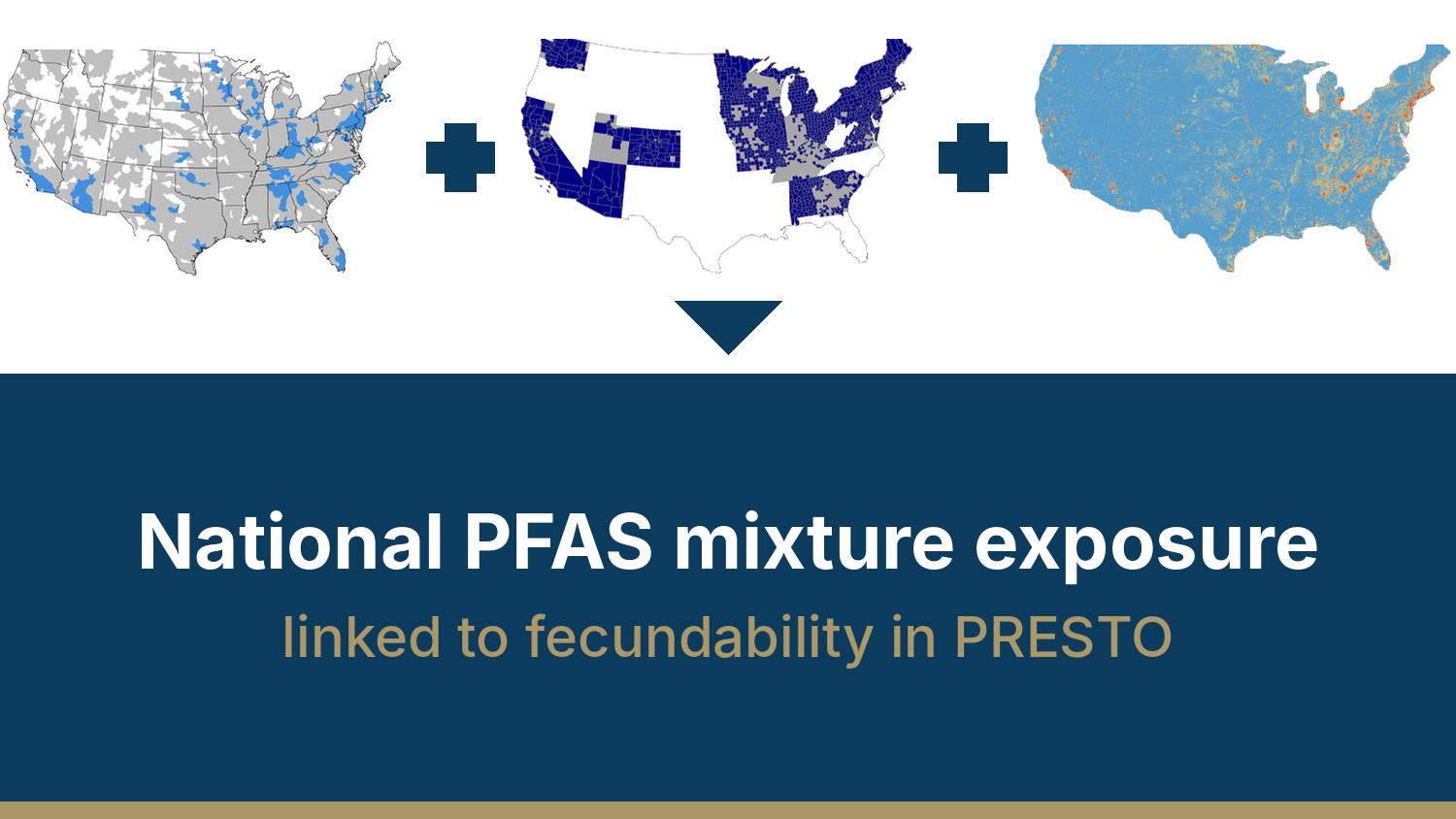
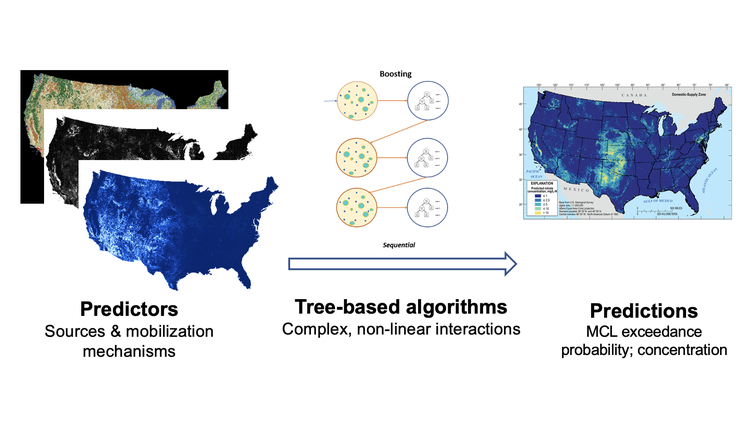
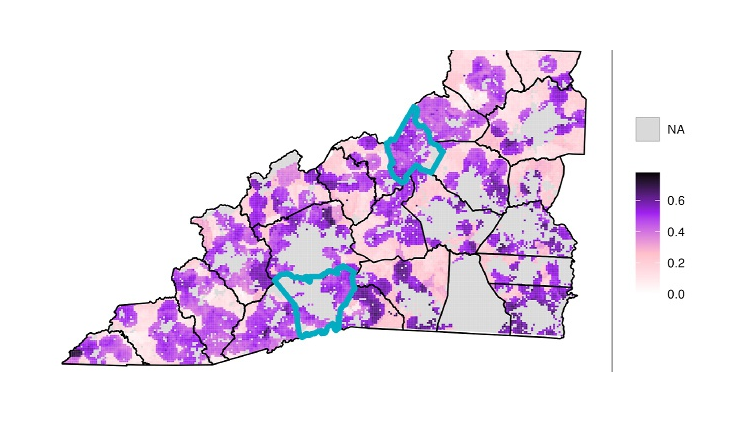
Drinking water contamination is no longer limited to highly localized incidents; it has become a nationwide public health issue. We combine exposure science with geospatial machine learning to estimate contaminant concentrations where measurements are sparse, especially for the tens of millions of Americans who rely on unregulated private wells, and link these estimates to health outcomes.
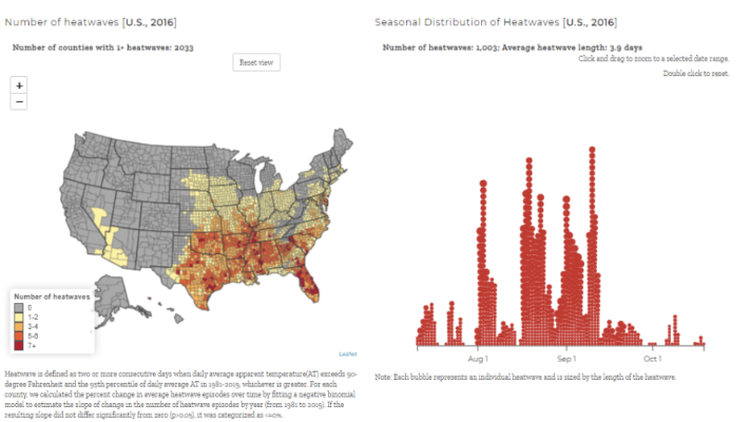
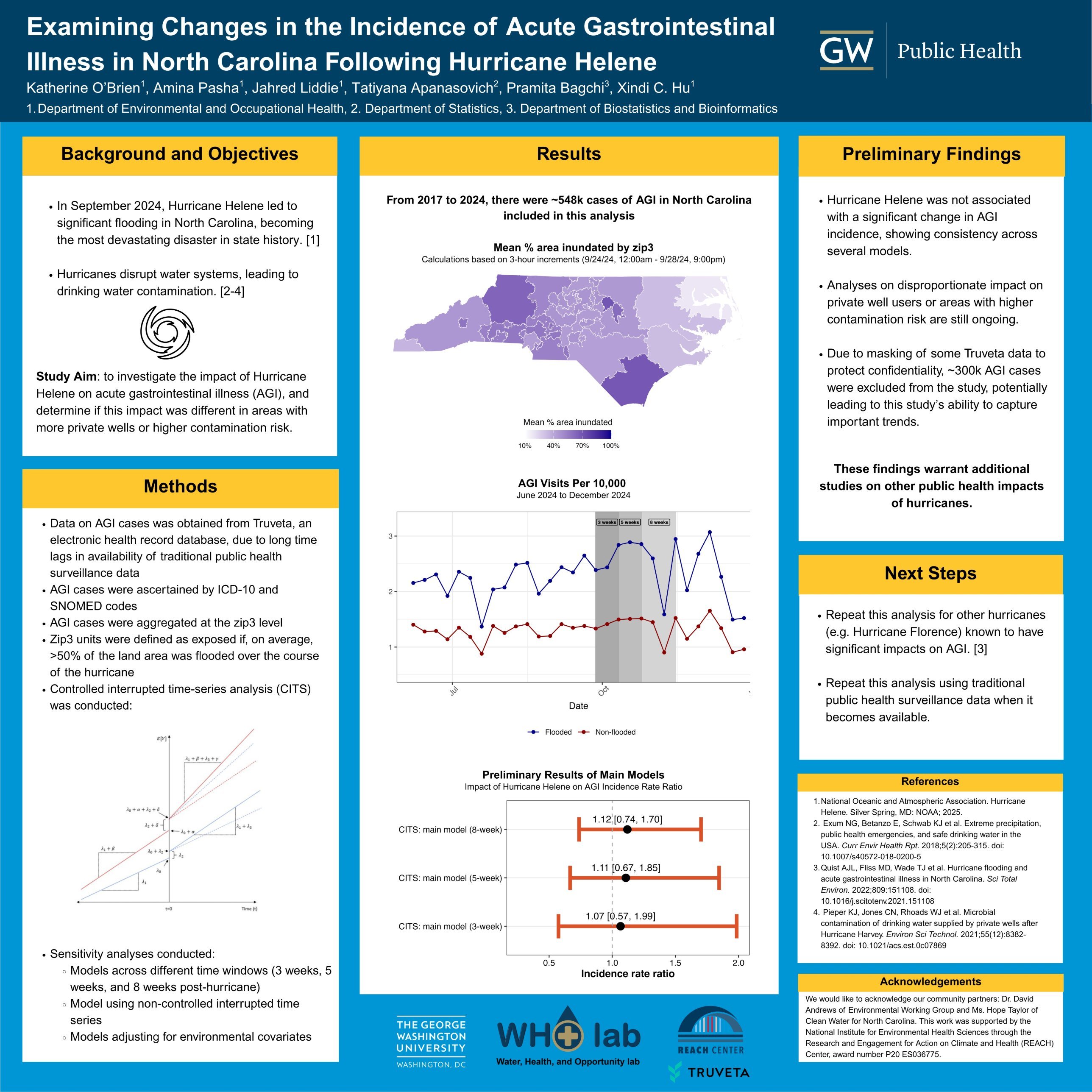
Hurricanes, flooding, and drought disrupt water systems and expose communities to contaminated drinking water. We develop tools to anticipate where risks are highest and use novel health data to measure impacts quickly.
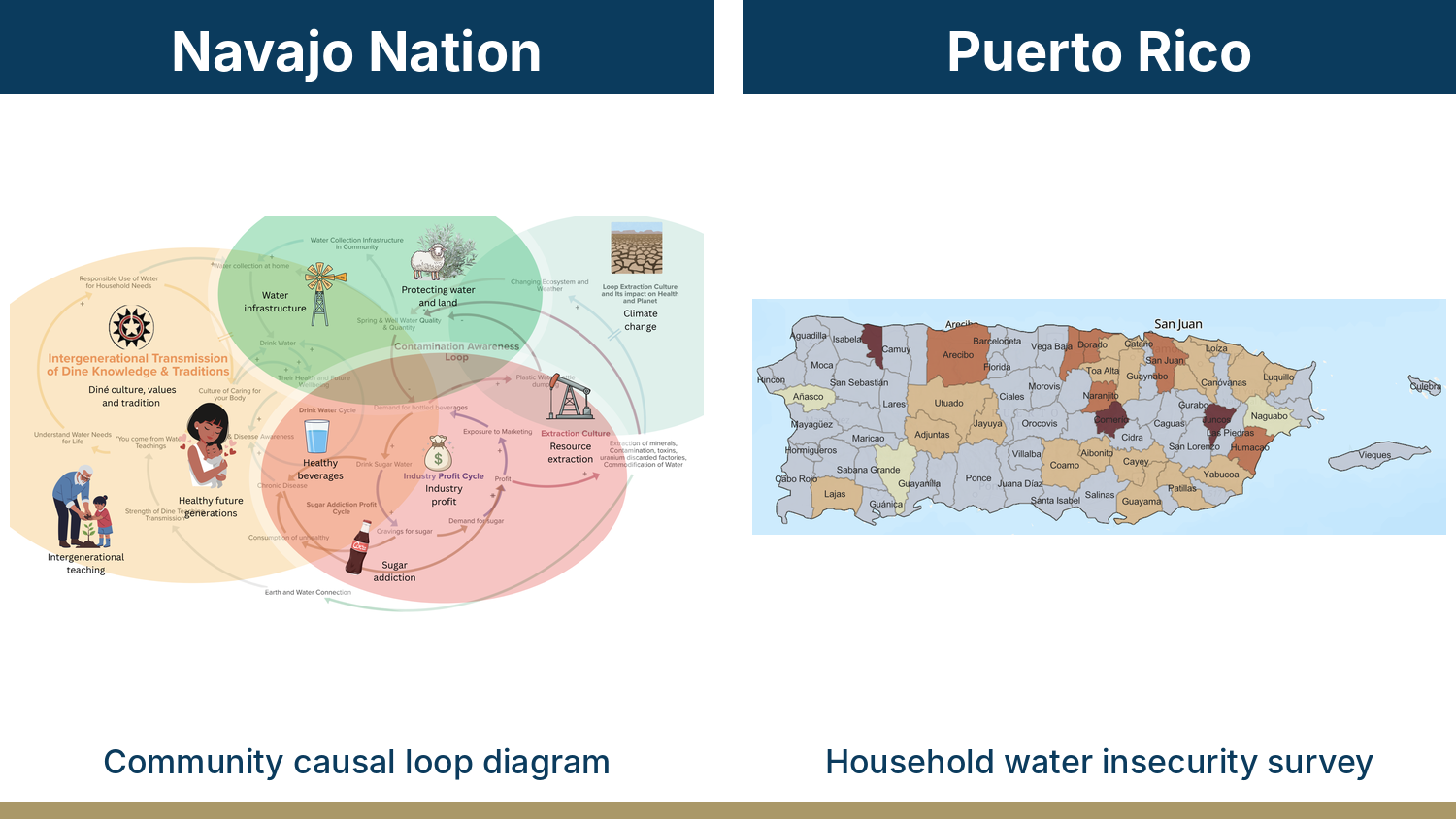
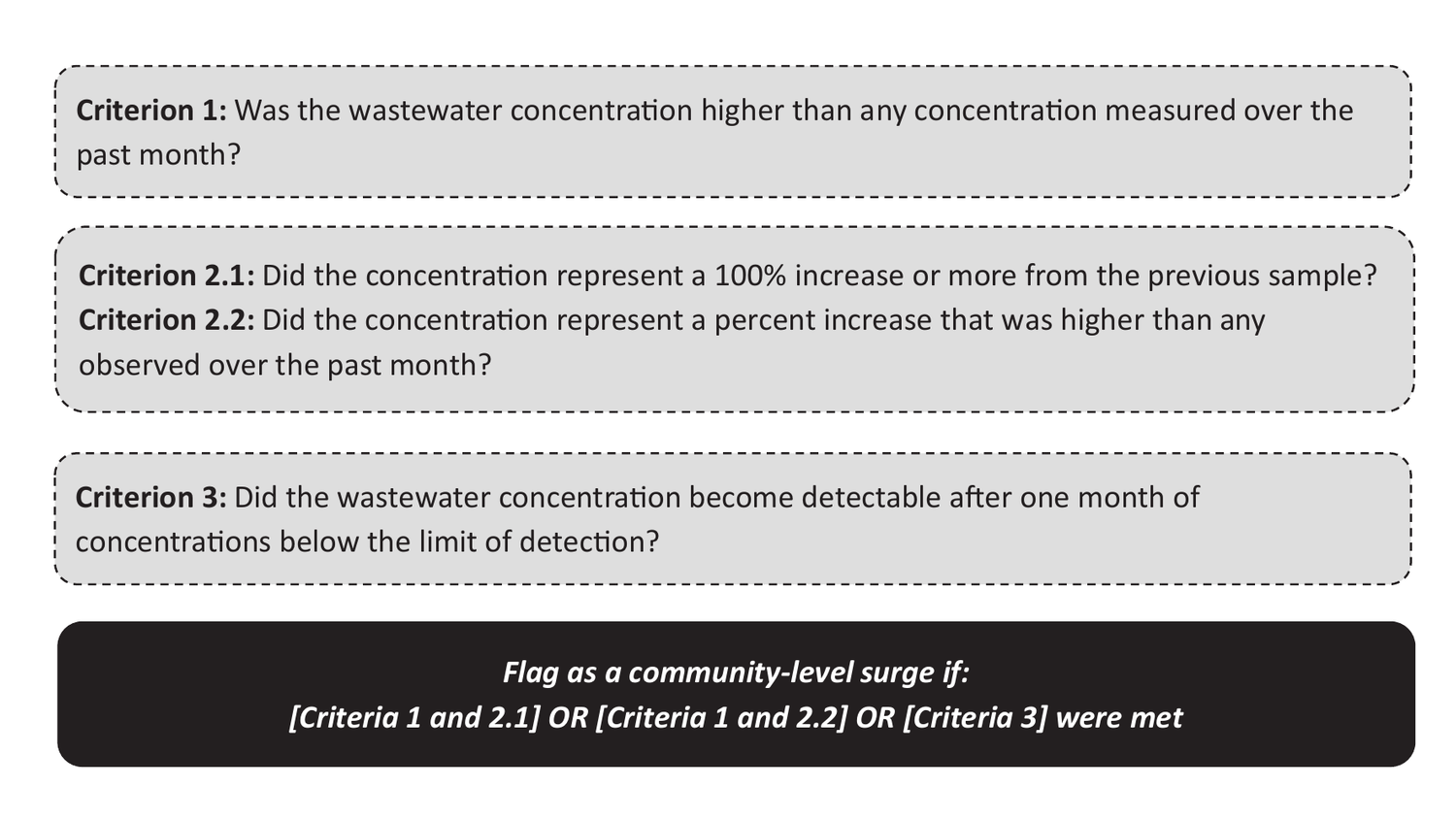
Wastewater-based epidemiology can provide timely, population-level signals of disease. Our work focuses on turning these data into public health action and on making sure surveillance systems reach the communities that need them.
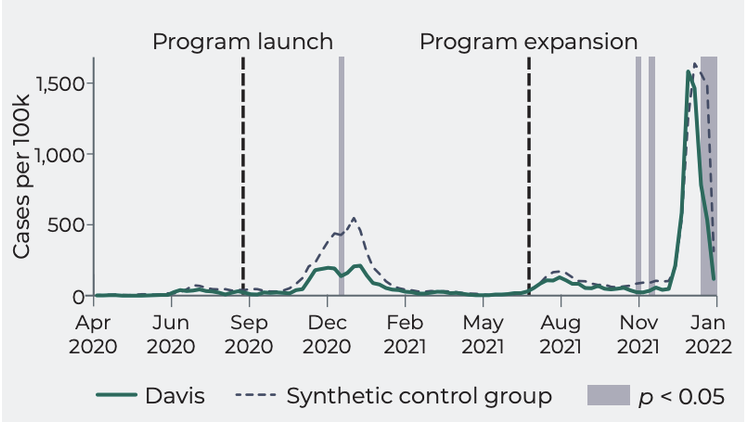
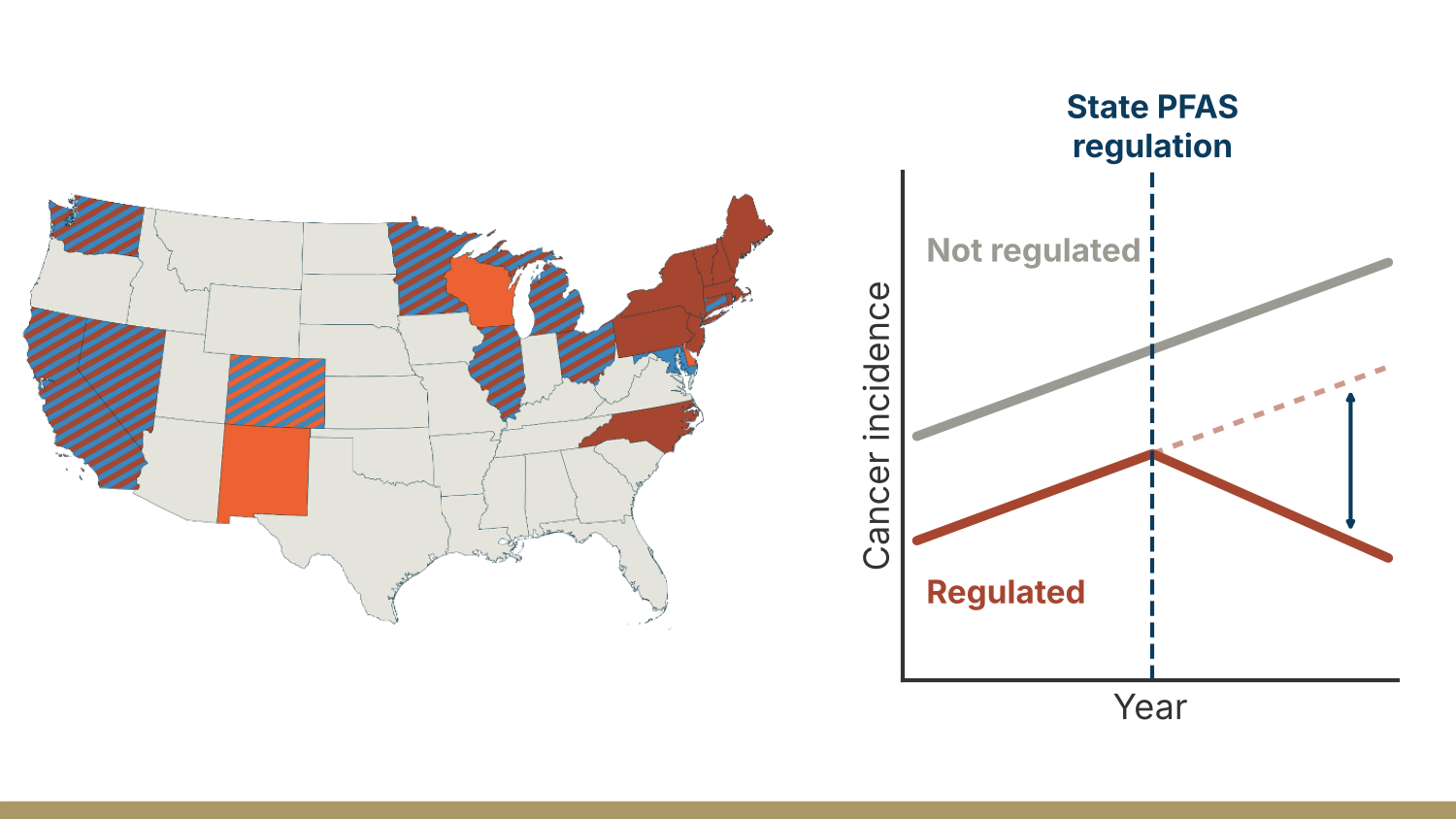
Researchers in many policy areas ask "what works?" and use rigorous econometric methods to answer it. We bring these quasi-experimental methods to environmental health to evaluate whether policies and programs improve health.